8 Sept 2025
ISO Standards for Gyms: Which Ones Matter and Why
ISO standards might sound like corporate bureaucracy, but for gym owners, they're actually practical blueprints for running a better business. The right ISO standards don't just help you tick compliance boxes; they provide proven frameworks for improving operations, reducing risks, and ultimately delivering better member experiences. In plain speak, they help you to run your gym like a boss!
Understanding ISO standards in plain English
ISO (International Organisation for Standardisation) standards are internationally recognised best practice guidelines. Think of them as detailed instruction manuals written by experts who've seen every possible way businesses can succeed or fail.
For gym owners, ISO standards encourage you to establish systems that work consistently, whether you're dealing with an equipment malfunction at 6 a.m. or handling a member complaint during your busiest evening period.
ISO 9001: Quality Management Systems
What it covers: ISO 9001 focuses on delivering consistent quality in everything you do, from member service to facility maintenance.
Why it matters for gyms: This standard helps you create systems that ensure every member gets the same high-quality experience, regardless of which staff member they interact with or what time they visit.
Practical benefits:
Consistent member experiences across all shifts
Clear procedures for handling complaints and feedback
Systematic approach to staff training and development
Better supplier relationships and service delivery
Improved member retention through reliable service quality
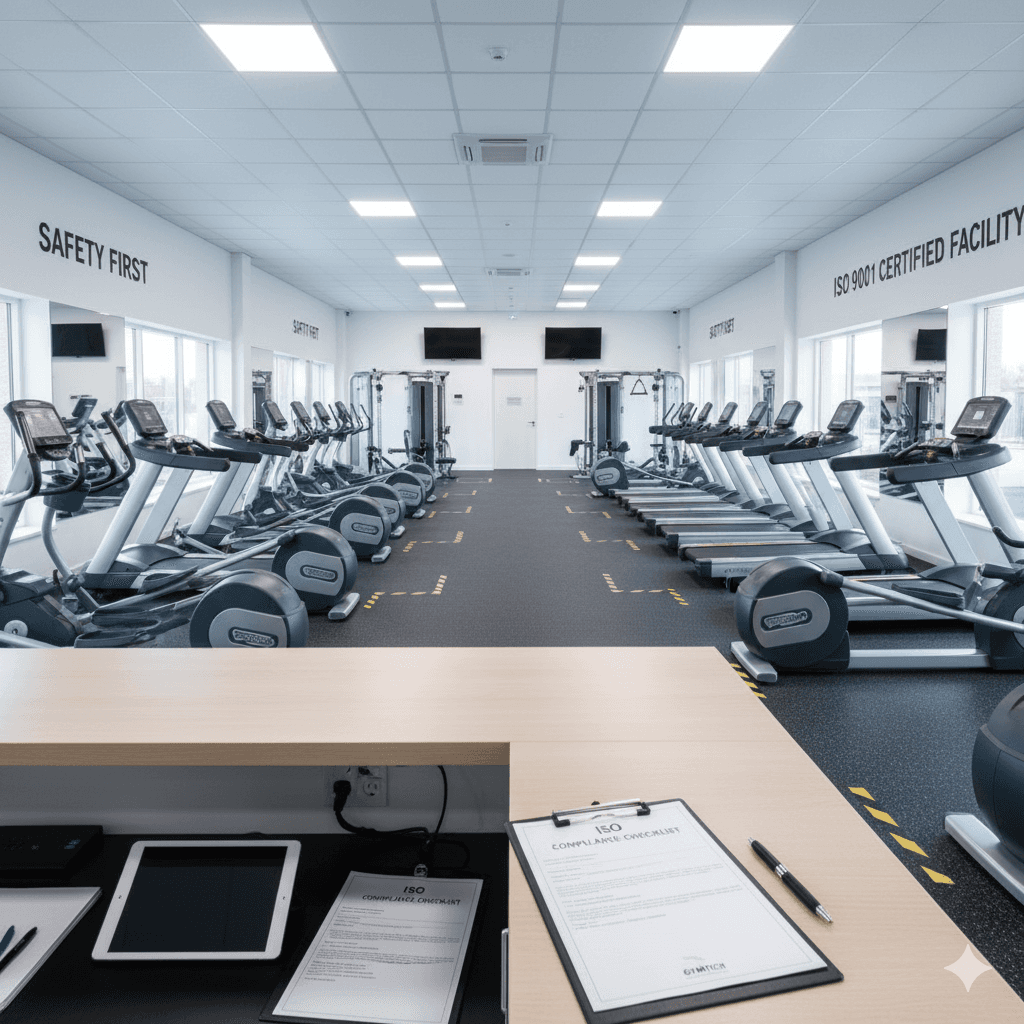
Real-world application: A gym following ISO 9001 principles would have clear procedures for everything from equipment cleaning schedules to membership cancellation processes. Members know what to expect, and staff know how to deliver it consistently.
ISO 45001: Occupational Health and Safety Management
What it covers: This standard provides a framework for managing workplace health and safety risks.
Why it matters for gyms: Given the physical nature of gym activities and the variety of equipment involved, systematic safety management is crucial for protecting both members and staff.
Practical benefits:
Reduced accident rates and insurance claims
Clear procedures for handling emergencies
Systematic risk assessment and management
Better staff training on safety procedures
Improved member confidence in your facility's safety
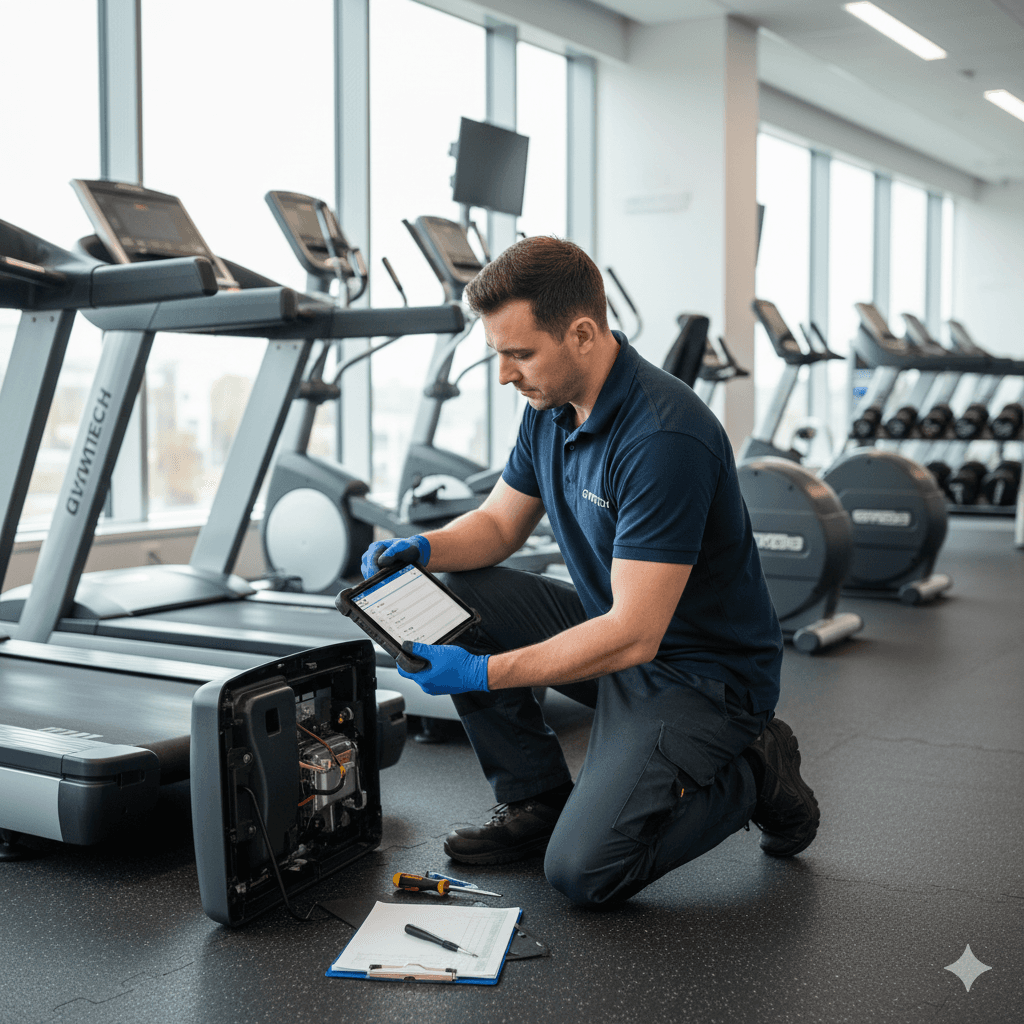
Real-world application: A gym following ISO 45001 would have comprehensive risk assessments, regular safety training, clear emergency procedures, and systematic equipment maintenance schedules that prevent accidents before they occur.
ISO 27001: Information Security Management
What it covers: This standard focuses on protecting sensitive information and data.
Why it matters for gyms: With member personal data, payment information, and increasingly digital operations, information security is becoming crucial for gym businesses.
Practical benefits:
Protection against data breaches and cyber attacks
Compliance with data protection regulations (GDPR)
Member confidence in your handling of their personal information
Systematic approach to IT security
Reduced risk of costly security incidents
Real-world application: An ISO 27001-compliant gym would have secure member data handling procedures, regular security assessments, staff training on data protection, and clear protocols for handling security incidents.
ISO 14001: Environmental Management Systems
What it covers: This standard focuses on minimising environmental impact and improving resource efficiency.
Why it matters for gyms: Beyond environmental responsibility, ISO 14001 often leads to significant cost savings through reduced energy consumption, waste management, and resource efficiency.
Practical benefits:
Lower utility costs through systematic energy management
Reduced waste disposal costs
Enhanced reputation with environmentally conscious members
Compliance with increasingly strict environmental regulations
Potential for green building certifications and grants
Real-world application: An ISO 14001-compliant gym might have systems for monitoring energy usage, recycling programmes, eco-friendly cleaning products, and water conservation measures that reduce operating costs whilst appealing to environmentally aware members.
Choosing the right standards for your gym
Not every gym needs every ISO standard. Consider these factors when deciding which standards make sense for your business:
Business size and Complexity: Larger gyms with multiple locations benefit more from formal management systems than single-site operations.
Member expectations: Premium gyms often find that ISO certification helps justify higher membership fees and attracts quality-conscious members.
Risk profile: Gyms with pools, complex equipment, or specialised programmes may benefit more from safety and quality management standards.
Growth plans: If you're planning to expand, franchise, or seek investment, ISO standards provide the systematic approach that makes scaling easier.
The implementation reality
Implementing ISO standards doesn't mean drowning in paperwork. Modern approaches focus on practical, streamlined systems:
Start simple: Begin with basic procedures that address your most significant risks and opportunities.
Integrate with existing operations: Build ISO requirements into your current processes rather than creating parallel systems.
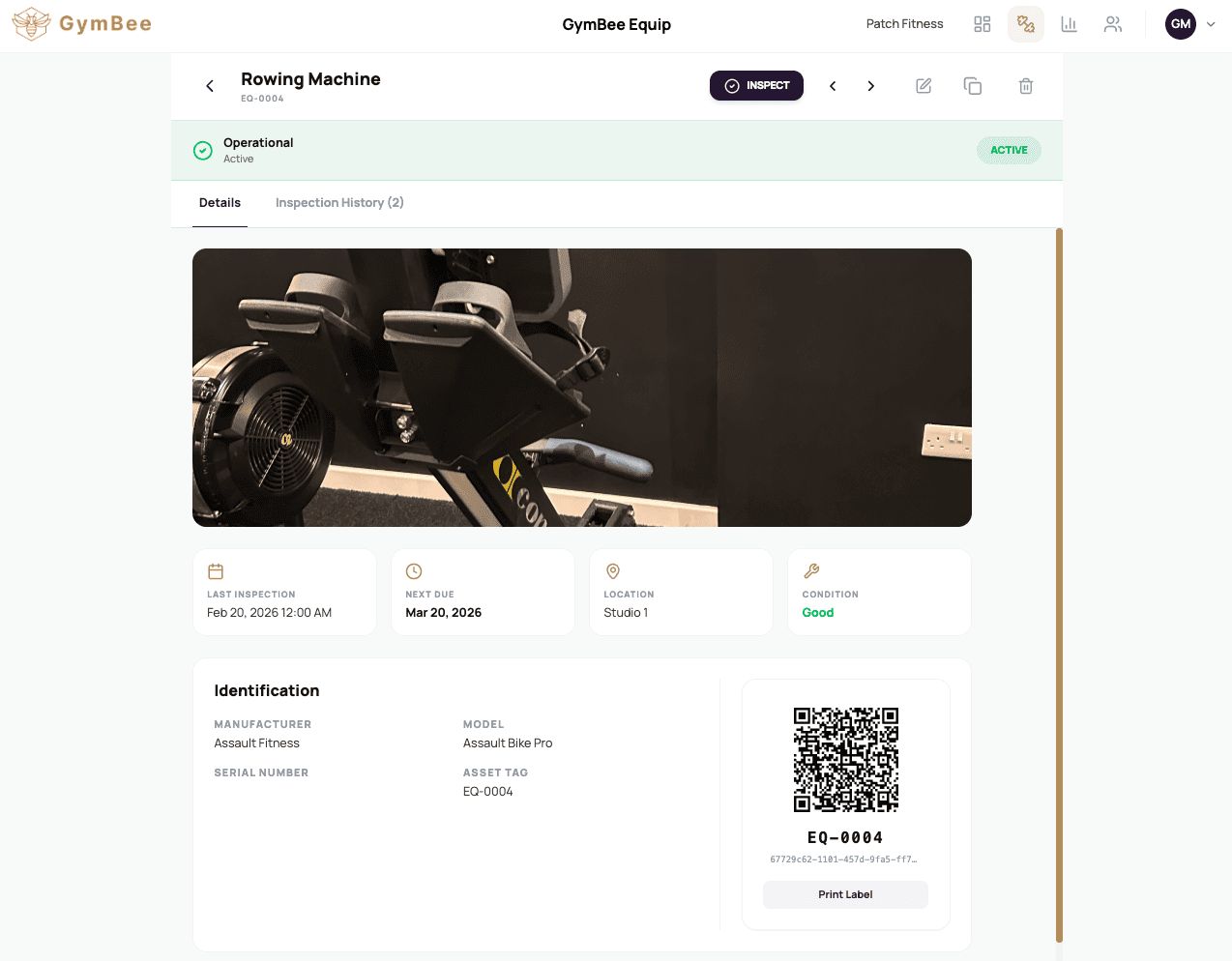
Use technology: Digital tools like GymBee can automate much of the documentation and monitoring that ISO standards require.
Focus on Benefits: Always connect ISO requirements back to tangible business benefits like cost savings, risk reduction, or improved member satisfaction.
Common misconceptions
"ISO standards are just bureaucracy": Well-implemented ISO standards actually reduce bureaucracy by creating clear, efficient procedures that eliminate confusion and rework.
"They're only for big companies": Many small and medium gyms find that ISO standards help them compete more effectively by demonstrating professional management systems.
"They're too expensive": The cost of implementing basic ISO principles is often recovered quickly through improved efficiency, reduced risks, and better member retention.
Building your ISO journey
If ISO standards make sense for your gym (PLOT SPOILER - THEY DO :), start with these steps:
Assessment: Evaluate your current processes against relevant ISO requirements to identify gaps and opportunities.
Prioritisation: Focus on standards and requirements that address your biggest risks or opportunities first.
Training: Ensure your team understands not just what to do, but why these systems benefit both the business and members.
Gradual implementation: Introduce changes systematically rather than trying to transform everything at once.
Regular review: ISO standards require ongoing monitoring and improvement, which actually helps keep your systems effective and relevant.
…or just reach out to us and we'll get you up and running on GymBee!
The competitive advantage
Gyms that embrace appropriate ISO standards often find they've created significant competitive advantages:
Operational efficiency: Systematic approaches reduce waste, improve consistency, and free up time for member-focused activities.
Risk management: Proactive risk management prevents problems that could damage reputation or create financial liability.
Professional credibility: ISO certification demonstrates commitment to professional management and continuous improvement.
Scalability: Well-documented systems make it easier to expand, train new staff, or bring in partners or investors.
The bottom line
ISO standards aren't about perfection – they're about having reliable systems that help you deliver consistent value to your members whilst protecting your business from unnecessary risks. The right standards provide frameworks for the kind of systematic thinking that turns good gyms into great businesses.
The question isn't whether you need formal ISO certification (which is completely optional, by the way). It's whether you can benefit from the systematic, proven approaches that these standards represent. For most serious gym owners, the answer is a definitive yes.