1 Sept 2025
Equipment Safety Inspections: Your Complete Guide to Staying Compliant and Safe
Your gym equipment works hard every day, and like any hardworking asset, it needs regular attention to stay safe and reliable. Equipment safety inspections aren't just regulatory requirements – they're your insurance policy against accidents, downtime, and the kind of problems that can seriously damage your business.
Why equipment inspections matter more than ever
Modern gym members are more aware of their rights and safety than ever before. They expect equipment to work properly and safely, and they're quick to notice when it doesn't. A single accident caused by faulty equipment can result in serious injury, legal action, and reputational damage that takes years to repair.
But there's a positive side to this story. Gyms that take equipment safety seriously often find they enjoy better member retention, fewer complaints, and potentially, lower insurance costs. It turns out that safety is actually good business.
Understanding your inspection requirements
Different types of equipment have different inspection requirements, and understanding these is crucial for staying compliant:
Daily visual checks: Every piece of equipment should receive a basic visual inspection daily. This means checking for obvious damage, loose parts, worn cables, or anything that looks out of place. These checks take just seconds per machine but can prevent serious accidents.
Weekly detailed inspections: More thorough weekly checks should include testing moving parts, checking safety features, and ensuring all adjustments work properly. This is when you're likely to catch problems before they become dangerous.
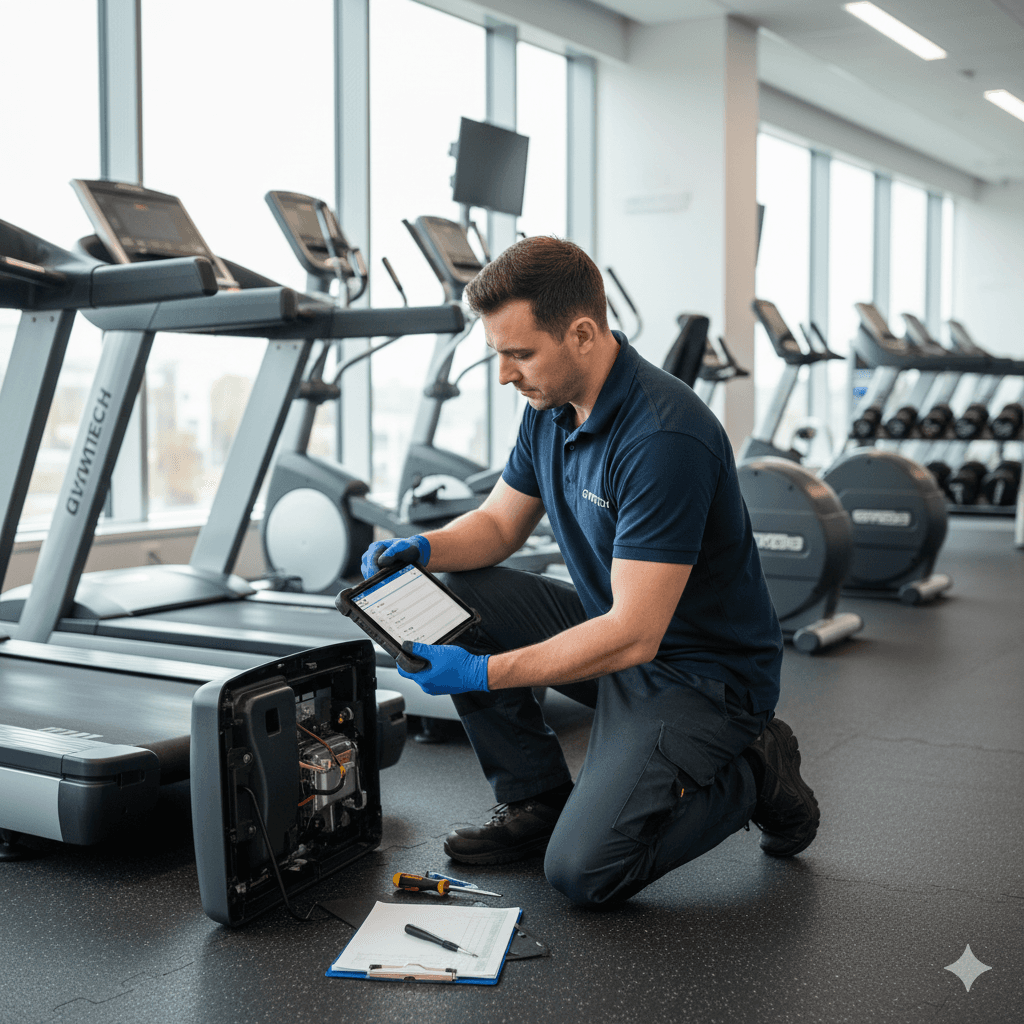
Monthly professional inspections: Some equipment requires monthly inspection by qualified technicians. This typically includes complex cardio machines, strength equipment with intricate mechanisms, and any equipment with electronic components. Inspection schedules can, of course be longer; check with your supplier.
Annual certifications: Many pieces of gym equipment need annual certification by approved engineers. This isn't optional – it's a legal requirement for most commercial gym equipment.
Creating an inspection system that works
The key to successful equipment inspections is creating a system that's comprehensive but manageable:
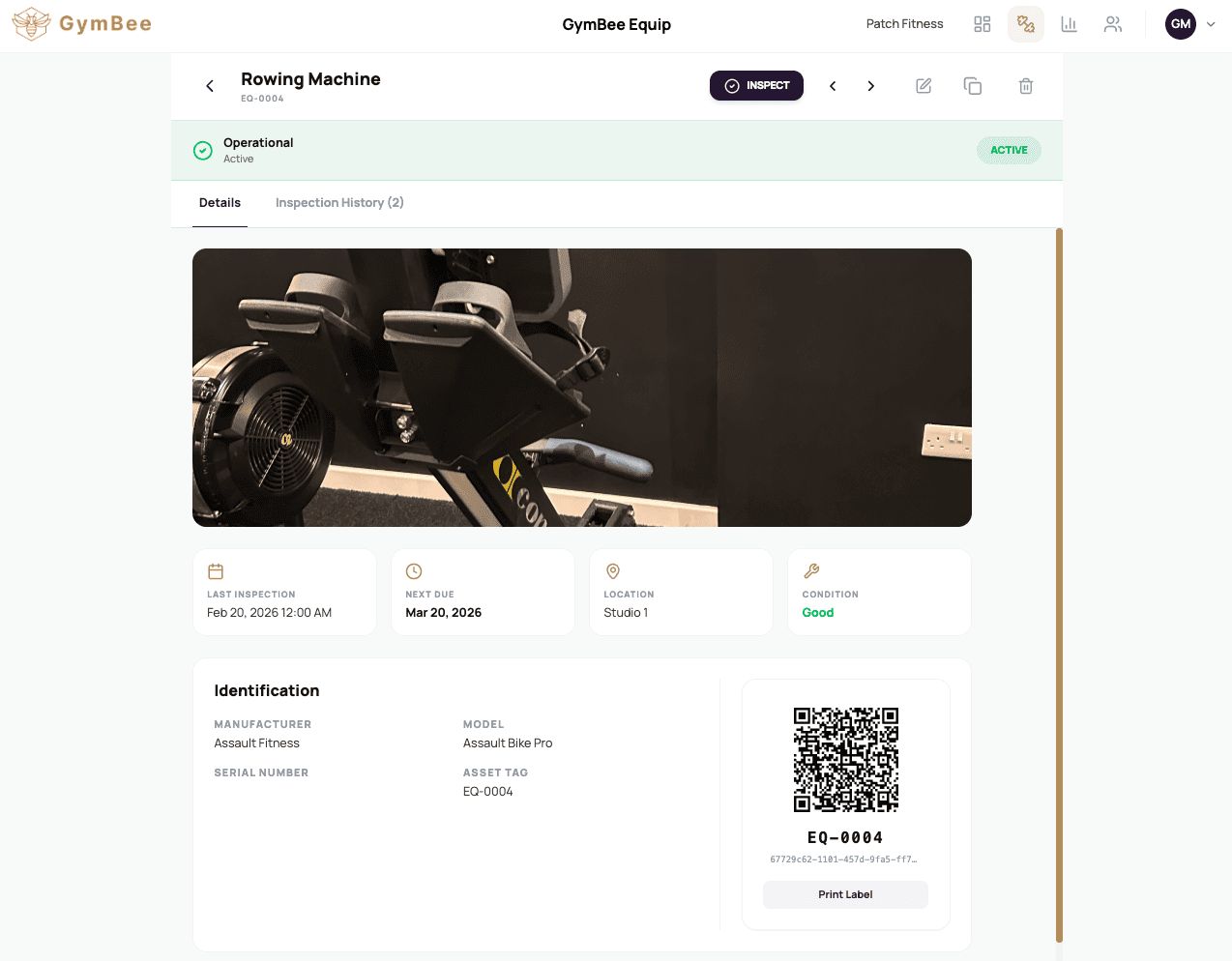
Start with an equipment register: List every piece of equipment, its inspection requirements, and inspection dates. This becomes your master document for tracking compliance.
Develop simple checklists: Create easy-to-use inspection forms for different types of equipment. Staff are more likely to complete inspections properly if the process is straightforward.
Assign clear responsibilities: Make sure every team member knows which equipment they're responsible for inspecting and when. Accountability prevents things from being overlooked.
Train your team: Proper training is essential. Staff need to know what to look for, how to document findings, and when to take equipment out of service.
Documentation: your safety net
Proper documentation of equipment inspections serves several crucial purposes:
Legal protection: If an accident occurs, your inspection records demonstrate that you took reasonable care to maintain safe equipment.
Insurance requirements: Most gym insurance policies require evidence of regular equipment maintenance and inspection.
Warranty compliance: Equipment manufacturers often require proof of proper maintenance to honour warranty claims.
Operational efficiency: Good records help you spot patterns in equipment problems and plan maintenance more effectively.
Red flags and response procedures
Knowing when to take equipment out of service is crucial. Train your team to recognise these warning signs:
Unusual noises during operation
Excessive vibration or movement
Worn or frayed cables
Loose or missing safety features
Electronic displays showing error messages
Any damage that could cause injury
When problems are identified, have a clear protocol: remove the equipment from service immediately, document the issue, and arrange for professional inspection or repair.
Making inspections routine, not burdensome
The most successful gym owners integrate equipment inspections seamlessly into their daily operations:
Morning routines: Include basic equipment checks as part of opening procedures. This ensures problems are caught before members arrive.
Staff engagement: Help staff understand that equipment inspections protect both members and their own jobs. When the team sees safety as everyone's responsibility, compliance becomes much easier.
Regular reviews: Monthly team meetings should include discussion of equipment issues and inspection findings. This keeps safety at the forefront of everyone's mind.
The business benefits of proper equipment management
Well-maintained equipment doesn't just prevent accidents – it enhances your business:
Member satisfaction: Reliable, safe equipment creates a better user experience and encourages member retention.
Reduced downtime: Regular inspections catch problems early, preventing major breakdowns during peak hours.
Lower costs: Preventive maintenance is always cheaper than emergency repairs or equipment replacement.
Insurance benefits: Many insurers offer reduced premiums for gyms with documented safety management systems.
Moving forward
Equipment safety inspections help to create an environment where members feel safe and confident. This confidence translates into loyalty, positive reviews, and business growth.
Start by auditing your current inspection procedures. Are they comprehensive enough? Are they being followed consistently? Do you have proper documentation systems in place?
Remember, every piece of equipment in your gym is an investment in your members' health and your business's future. Proper inspections protect both investments, ensuring your gym remains a safe, successful, and sustainable business for years to come.